Printable Business Planner Template
A business runs on decisions, follow-through, and a clear sense of what comes next. Without a structured way to capture ideas, track progress, and review results, even the best intentions can slip into chaos. A Printable Business Planner Template provides a framework that turns scattered thoughts into organized action. It is not just a stack of pages—it is a system for managing the daily, weekly, monthly, and seasonal rhythms of your work.
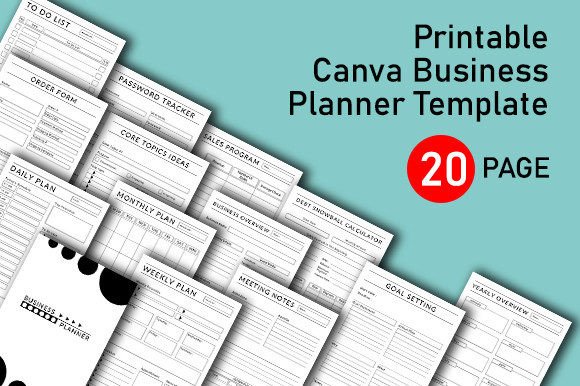
Whether you are a solopreneur juggling multiple roles, a marketer aligning campaigns, or a small business owner coordinating a team, this planner helps you move from intention to execution. The instant PDF digital download gives you 20 pages of ready-to-use templates in A4, A5, and Letter sizes. You can print only what you need, when you need it, and adapt the structure to your own workflow.
What the Printable Business Planner Template Includes
The value of any planner lies in its contents. This template covers the essential areas that business owners, freelancers, and creators face every day. Each page serves a specific purpose, and together they form a cohesive planning system.
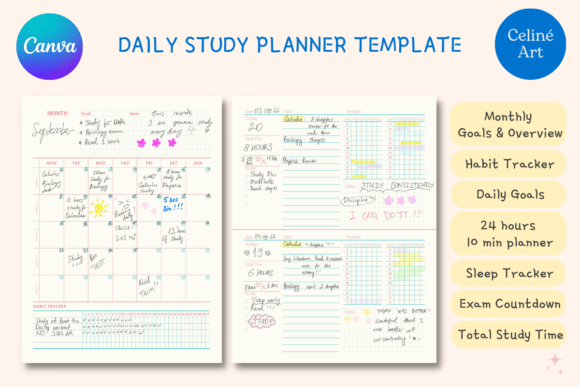
- Daily Plan – A focused layout for your most immediate tasks and priorities.
- Weekly Plan – A broader view of the week ahead, helping you allocate time and energy.
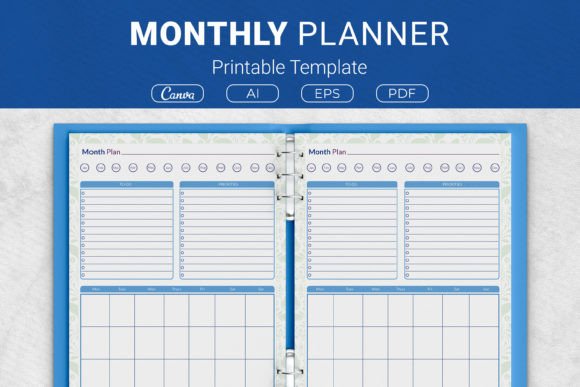
- Monthly Plan – A bird’s-eye perspective for monthly goals, deadlines, and recurring commitments.
- 6 Month Review – A dedicated space to reflect on progress, challenges, and adjustments needed.
- Meeting Notes – Structured pages to capture key decisions and action items from discussions.
- Order Form – A practical tool for tracking client orders, product requests, or project scope.
- Core Topics Ideas – A brainstorming page for content themes, product features, or strategic areas.
- Business Overview – A high-level snapshot of your mission, vision, and current priorities.
- Goal Setting – A framework for defining short-term and long-term objectives.
- Debt Snowball Calculator – A financial tool to plan and track debt repayment.
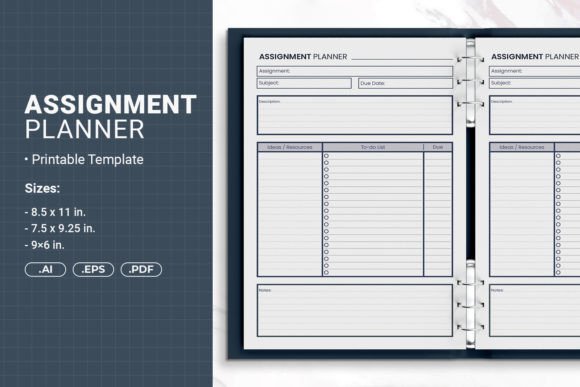
- To Do List – A simple yet effective task management page.
- Password Tracker – A secure way to log login credentials for various accounts.
- Sales Program – A page to plan promotions, discounts, or sales initiatives.
- Yearly Overview – A macro-level calendar for annual planning and milestones.
- New Product List – A dedicated space to document product ideas and development stages.
- Suppliers List – A directory of vendor contacts, pricing, and lead times.
- Contact List – A centralized page for client, partner, and collaborator information.
- Hashtag Research Notes – A specialized page for social media and content tagging strategies.
Each section is designed to be standalone, yet they connect naturally when used together. The planner does not force a rigid system—it supports the way you already work.
Where This Planner Fits in Your Workflow
A planning tool is most useful when it integrates into existing routines rather than adding extra steps. The Printable Business Planner Template works before, during, and after key activities in your business or creative process.
Before a Project or Launch
When you are preparing for a new product, a campaign, or a quarterly push, the Business Overview and Goal Setting pages help clarify intent. You can map out your vision, define measurable objectives, and identify what success looks like. The Core Topics Ideas page then becomes a space to generate and refine concepts before they become tasks.
For content creators and marketers, the Hashtag Research Notes page is particularly useful before a social media campaign. You can research trending tags, categorize them by topic, and decide which ones align with your brand. This turns a chaotic research phase into a structured asset you can reuse.
During Daily Operations
The Daily Plan and Weekly Plan pages are your operational backbone. You can block time for deep work, schedule meetings, and track recurring tasks. The To Do List page captures the small but important items that might otherwise slip through. As the week unfolds, the Meeting Notes page ensures that conversations produce clear action items rather than forgotten promises.
If you handle client work, the Order Form page is a simple way to document project scope, deliverables, and deadlines. It replaces scattered emails with a single reference sheet that both you and the client can review.
After a Period or Milestone
Review and reflection are often the most neglected parts of business planning. The 6 Month Review and Yearly Overview pages give you a dedicated space to step back and evaluate. You can compare actual results against your goals, note what worked, and identify areas for improvement. This review cycle is what transforms a planner from a to-do list into a strategic tool.
The Debt Snowball Calculator serves a similar reflective purpose for financial health. By tracking payments over time, you see progress and stay motivated. It is a practical example of how a simple page can support long-term discipline.
How the Pages Work Together
The real power of this planner lies in the connections between its sections. For example, a New Product List entry can feed into the Sales Program page, which then flows into the Weekly Plan for launch tasks. The Suppliers List and Contact List act as reference hubs that you consult whenever you place an order or reach out to a partner.
Content creators can move from Core Topics Ideas to Hashtag Research Notes to the Daily Plan for publishing schedules. The Password Tracker keeps authentication details accessible yet organized, saving time when logging into platforms or tools.
This interconnectivity means you are not managing multiple separate lists—you are building a single, coherent planning system. Over time, you will find patterns in how you use the pages, and you can adjust the order or frequency of use accordingly.
Practical Implementation Tips
Getting the most out of this template requires a bit of setup and a willingness to adapt. Here are several approaches based on real workflows.
Start with the Overview Pages
Before filling in daily tasks, complete the Business Overview and Goal Setting pages. This gives you a reference point for all subsequent planning. When you feel directionless, returning to these pages reorients your efforts. For a freelancer or solopreneur, this step is especially grounding—it reminds you why you are doing what you do.
Use the Weekly and Daily Pages Together
Print the Weekly Plan and Daily Plan pages side by side. The weekly page shows the big picture, while the daily page breaks it into actionable chunks. At the start of each week, map out major commitments on the weekly page. Each morning, transfer the most important items to the daily page. This two-tier approach reduces overwhelm and keeps you focused.
Keep Reference Pages Accessible
The Suppliers List, Contact List, and Password Tracker are reference tools. Keep them in a dedicated section of your binder or folder so you can flip to them quickly. Update them as soon as new information arrives—delaying updates leads to outdated entries and lost time later.
Review Regularly, Not Just at Milestones
The 6 Month Review page is designed for semi-annual reflection, but you can also use it as a template for monthly or quarterly reviews. Adjust the timeline to suit your business pace. The important thing is to create a habit of stepping back and assessing progress. Combine this with the Debt Snowball Calculator to see how financial decisions align with broader goals.
Adapt the Pages to Your Role
Not every section will be relevant to every user. A freelance graphic designer might rely heavily on the Order Form, Contact List, and Daily Plan, while a social media manager may prioritize Hashtag Research Notes, Core Topics Ideas, and the Sales Program. Feel free to print only the pages that serve your current needs, and revisit others as your workflow evolves.
Integration with Other Tools and Methods
A printed planner does not have to live in isolation. It complements digital tools like project management software, calendars, and note-taking apps. You might use the Yearly Overview to set annual priorities, then sync those priorities with a digital calendar for scheduling. The To Do List can capture items that later get entered into a team platform like Trello or Asana.
Similarly, the Meeting Notes page works well alongside a voice recorder or digital note app. Capture raw notes on paper during the meeting, then transfer key decisions to your digital system later. This hybrid approach combines the focus of handwriting with the searchability of digital storage.
For those who follow methods like GTD (Getting Things Done) or time-blocking, the planner serves as a flexible container. The Daily Plan and Weekly Plan pages can be formatted for time-blocking by adding start and end times. The Core Topics Ideas page aligns with a brainstorming phase common to many productivity systems.
Usability and Long-Term Use
The choice of A4, A5, or Letter size matters more than you might think. A5 is portable and fits in a bag, making it ideal for freelancers who work from cafes or co-working spaces. A4 and Letter sizes offer more writing space per page, which suits detailed planning sessions at a desk. You can mix sizes if you prefer a smaller daily carry and a larger reference binder.
Because the template is a digital download, you can print fresh pages whenever needed. This is especially useful for the To Do List and Daily Plan pages, which you will use frequently. For pages like the Suppliers List or Contact List, consider printing them on thicker paper or placing them in sheet protectors to withstand frequent handling.
Consistency is the key to long-term use. Keep your planner in a visible, accessible spot. Set aside five minutes at the start and end of each day to update it. The routine will become automatic, and the planner will evolve from a printed sheet into a trusted thinking tool.
Final Observations on Process and Integration
A Printable Business Planner Template is not a magic solution—it is a structure that invites discipline. The pages themselves are simple, but the act of writing down priorities, reviewing progress, and organizing contacts creates clarity. Over weeks and months, that clarity compounds into better decisions and smoother execution.
For the busy professional, the parent-entrepreneur, the new business owner, or the experienced marketer, having a single place where daily tasks, long-term goals, financial plans, and creative ideas coexist is invaluable. This planner provides that home. Print the pages that matter to you, adapt them as you grow, and let the system support the work that only you can do.