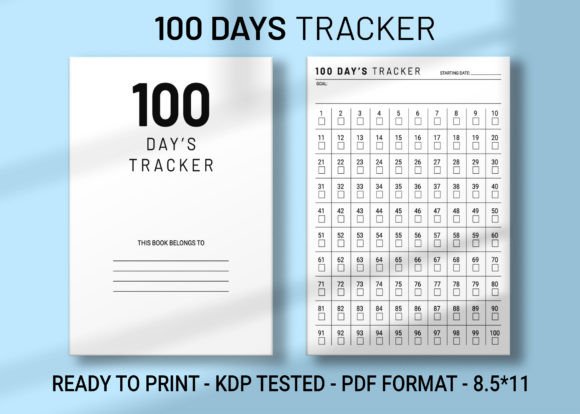
100 Days Tracker KDP Interior: A Practical Publishing Asset for Goal-Oriented Books
Creating a book that resonates with readers often comes down to structure and utility. For publishers working on Amazon KDP or other print-on-demand platforms, the interior layout of a book matters as much as its cover or topic. The 100 Days Tracker KDP Interior offers a ready-to-use layout designed specifically for tracking progress over a 100-day period. This article examines what this interior includes, how it performs in real publishing scenarios, and whether it fits the needs of different types of creators.
What the 100 Days Tracker KDP Interior Offers
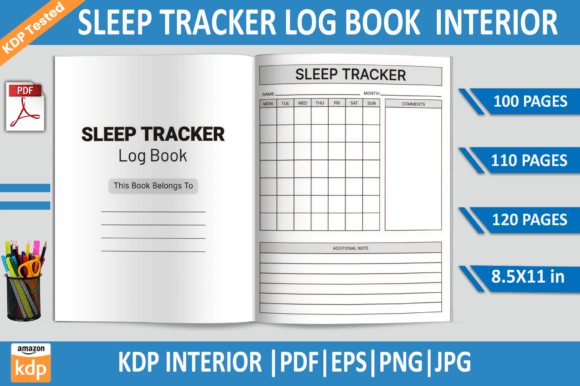
At its core, this digital file package provides a complete interior for a 100-day tracker book. It is intended for publishers who want to produce a print-ready book without designing each page from scratch. The package includes an editable AI file, high-resolution PDF files optimized for print, and high-resolution PNG files. The page size is the standard 8.5 by 11 inches, which works well for both at-home printing and professional book production through KDP.
The interior consists of 120 total pages, which includes an introductory page and the tracker pages themselves. Because the file is KDP tested and includes bleed, it is ready to upload directly to Amazon Kindle Direct Publishing. This removes much of the technical guesswork that can slow down the publishing process.
The editable AI file adds flexibility for publishers who want to modify elements such as fonts, colors, or layout details. This is useful if you plan to rebrand the tracker for a specific audience or adjust the design to match a series of books.
Practical Strengths and Design Characteristics
One of the most practical aspects of the 100 Days Tracker KDP Interior is its size and page count. The 8.5 by 11 inch format gives each spread enough room for daily entries without feeling cramped. For a 100-day tracker, this means users can log progress, notes, or metrics in a clear and uncluttered way. The 120-page count also allows for introductory material that explains how to use the tracker, which adds value for the end reader.
Bleed is included, which is essential for any book that will be printed through KDP. Without bleed, images or background colors that extend to the edge of the page can result in white borders or misalignment. Having bleed already set up saves time and prevents common upload errors.
The inclusion of both AI and PDF and PNG formats gives publishers options. The PDF is the most straightforward format for uploading to KDP, while the AI file allows for deeper customization if needed. The PNG files can be useful for previews, mockups, or digital distribution if you decide to sell the tracker as a digital download alongside the printed book.
Usability and Flexibility Across Publishing Workflows
For publishers who manage multiple titles or work with limited design resources, usability is a key factor. The 100 Days Tracker KDP Interior is designed to be used immediately. The KDP tested aspect means that the file formatting matches what Amazon expects, reducing the risk of rejection during the review process. This can save hours of troubleshooting, especially for newer publishers who are still learning the technical requirements of print-on-demand.
The editable AI file requires Adobe Illustrator or a compatible vector editing tool. If you have experience with vector software, you can adjust the layout to fit different branding or content needs. For example, you might change the header font to match your brand identity or adjust the spacing between daily entries. If you do not have access to Adobe Illustrator, the high-resolution PDF can be used as-is without modification.
This flexibility makes the interior suitable for both one-off projects and series. If you plan to release a collection of tracker books covering different time frames or themes, the editable file lets you maintain consistent formatting while changing the content.
Who Benefits Most from This Interior Format
Publishers and self-publishers who focus on productivity, habit tracking, or goal-setting niches will find this interior directly applicable. A 100-day tracker is a popular format for challenges related to fitness, writing, learning a skill, personal development, or business projects. If your audience includes professionals, entrepreneurs, freelancers, or serious hobbyists who track progress over a defined period, this interior gives you a product that meets that need without custom design work.
Small business owners and marketers who publish content as part of their brand strategy can also benefit. A 100-day tracker can be offered as a lead magnet, a low-cost product, or part of a course package. Because the interior is print-ready, you can produce a physical product that complements digital offerings. The editable files allow you to add your branding or adapt the book for a specific audience, such as writers tracking daily word counts or fitness enthusiasts logging workouts.
Educators and coaches who work with clients on behavioral change or skill development may find this interior useful as a workbook. The 100-day structure aligns with many programs that emphasize consistent practice over several months. You can produce a book tailored to your program without hiring a designer for each component.
Freelancers and creators who sell digital products on platforms like Etsy, Gumroad, or Amazon can add this interior to their catalog quickly. The KDP tested format reduces technical friction, and the included PNG files make it easy to create product previews and marketing images.
Quality, Reliability, and Presentation Standards
The quality of a printable interior depends on several factors: resolution, proper margins, bleed, and consistent page structure. The 100 Days Tracker KDP Interior meets the standard requirements for print-on-demand publishing. The PDF files are high-resolution, which means text and lines appear sharp when printed. The PNG files offer additional utility for digital previews or online sales.
The 120-page count is reasonable for a 100-day tracker. Each day likely gets its own page or spread, depending on the layout. This allows enough space for daily logging without making the book too thick or too thin. For a paperback, 120 pages is a comfortable size that feels substantial without being unwieldy.
Consistency across pages is important for professional presentation. Because the interior is designed as a complete set, all tracker pages share the same formatting. This creates a cohesive look that readers expect from a well-produced workbook. The introductory page also adds a layer of professionalism by setting expectations for how the tracker should be used.
Reliability in the context of KDP publishing means that the file uploads correctly and passes Amazon's review process. The interior is labeled as KDP tested, which suggests that common issues such as missing bleed, incorrect margins, or font embedding have been addressed. For publishers who have dealt with rejected files, this predictability is a significant advantage.
Realistic Examples and Practical Recommendations
Imagine you are a publisher focused on productivity tools. You want to release a 100-day goal tracker for professionals who want to build a new habit or complete a long-term project. With this interior, you can prepare the book for upload in a single session: import the PDF, fill in the metadata, set the price, and publish. The editable AI file gives you the option to customize the introduction page with your own tips or instructions. You could also create a series by rebranding the same layout for different themes, such as a 100-day fitness tracker or a 100-day writing log.
For a coach or educator, the interior can serve as a physical workbook for clients. You might add your logo to the intro page, adjust the color scheme to match your brand, and produce a small print run through KDP or another POD service. The 8.5 by 11 inch format is also large enough for clients to write in comfortably, which is an important consideration for workbook usability.
If you are a freelancer selling interior files, this product gives you a done-for-you asset that you can integrate into your own offerings. You could use it as a bonus for clients who purchase design services or as a standalone product on a digital marketplace. Because the files are high-resolution and KDP tested, you reduce the support burden from buyers who encounter formatting issues.
One practical recommendation: before uploading, test print a few pages if possible. Even with tested files, every printer behaves slightly differently. Printing a sample page lets you confirm that margins, bleed, and text sizing meet your expectations. This is especially relevant if you customize the AI file, since any edit could introduce formatting errors.
Limitations Worth Noting
No product is without constraints, and the 100 Days Tracker KDP Interior has a few that are worth considering. First, the interior is designed for a specific use case: a 100-day tracker. If your project requires a different time frame or a more complex layout with multiple sections, this interior may not be suitable. You would need to adapt the AI file significantly or look for a different template.
Second, the file format requires vector editing software for customization. If you do not have access to Adobe Illustrator or a compatible alternative, your ability to modify the design is limited. The PDF and PNG files are ready to use as-is, but they are not easily editable without the appropriate tools.
Third, the interior includes 120 pages. While this is a solid length for most 100-day trackers, some projects may benefit from additional pages for summaries, reflection prompts, or appendices. If you need to extend the content, you will need to add pages manually, which requires comfort with the editing software.
Fourth, the design is minimal and functional. This is a strength for many publishers, but if you are looking for a highly decorative or illustrated interior with complex layouts, this package may feel too straightforward. The focus is on utility and clean readability, not decorative flourishes.
Final Considerations for Publishers
The 100 Days Tracker KDP Interior addresses a specific need in the publishing ecosystem: producing a print-ready tracker book with minimal effort. Its value lies in the combination of ready-to-use files, KDP tested formatting, and editable source material. For publishers who work in productivity, self-improvement, or habit tracking niches, it offers a practical foundation that can be deployed quickly.
When evaluating whether this interior fits your project, consider your audience and your workflow. If you need a straightforward 100-day tracker that looks clean on paper and passes KDP review reliably, this is a strong option. If you plan to customize heavily or need a more elaborate design, weigh the time required to edit the AI file against the benefit of starting from a blank document.
For those who value efficiency and want a structure that works out of the box, this interior removes one of the more tedious parts of book creation. It allows you to focus on what you do best, whether that is marketing, audience building, or developing complementary content. In a competitive publishing landscape, having a reliable interior format available is a small but meaningful advantage.